

Get Tree Lopping Service in New York, NY
Tree Lopping Service providers in New York, NY, and nearby areas handle hazardous, overgrown, or diseased trees, performing removals, pruning, and shaping for safety and property enhancement.
The information below offers adjustable content depth for Tree Lopping Service information, allowing users to quickly access summaries or explore detailed insights. Using simple sliders, visitors can easily customize their experience to view brief overviews or in-depth explanations, helping them better understand the services offered by local professionals in areas like New York, NY and nearby communities.
Adjust sliders to customize your view - from quick overviews to detailed insights.
Detail: Standard
Ideas: 1
Costs: 1
Changes update in real-time for a personalized experience.
Tree lopping services are often considered by property owners in New York, NY to enhance safety and improve the overall health of their trees. Removing overgrown or damaged branches can prevent potential hazards like falling limbs during storms, which is especially important in urban environments where space is limited. Additionally, pruning helps maintain the structural integrity of trees, reducing the risk of disease and decay that could compromise their durability over time.
Beyond safety, tree lopping can significantly boost curb appeal and functionality of a property. Well-maintained trees contribute to a tidy, attractive landscape, increasing the visual appeal of homes and commercial spaces. Properly managed trees also allow more sunlight to reach lawns and gardens, making outdoor areas more enjoyable and functional. With reduced risk of overgrown branches causing damage or blocking views, property owners often find that regular tree lopping supports both aesthetic and practical goals.
- Tree pruning - needed when trees have overgrown branches that could pose safety hazards or hinder property access.
- Hazardous tree removal - required when trees are diseased, damaged, or at risk of falling, especially near homes or power lines.
- Storm damage cleanup - necessary after severe weather to remove broken or fallen branches that could obstruct pathways or damage property.
- Tree thinning - performed to reduce tree density, improve air circulation, and promote healthy growth in urban or suburban landscapes.
- Stump grinding - sought when removing leftover tree stumps to improve yard aesthetics or make space for new landscaping projects.
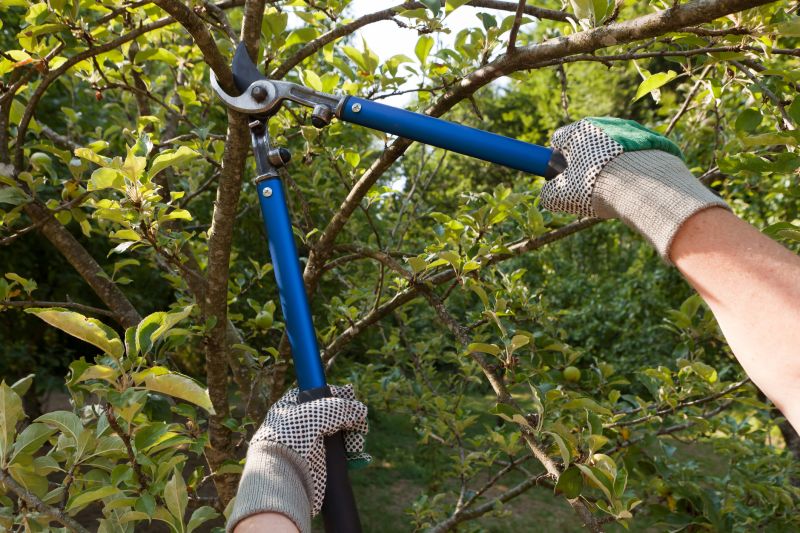
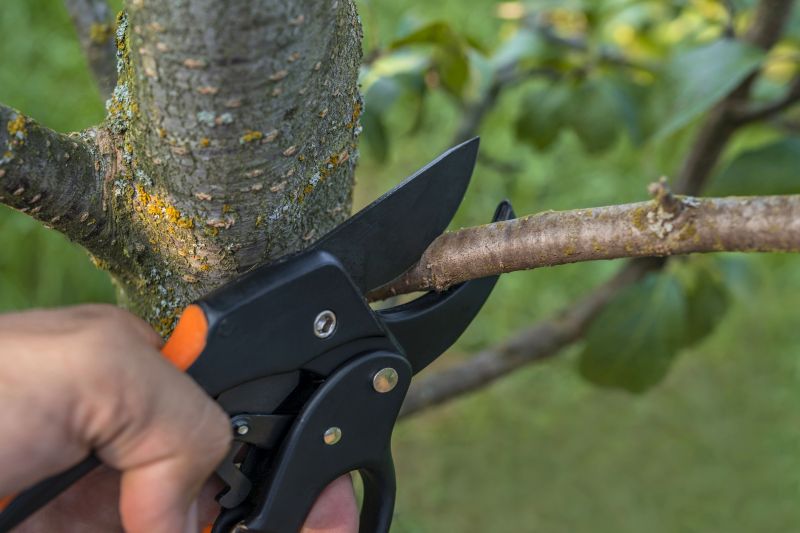
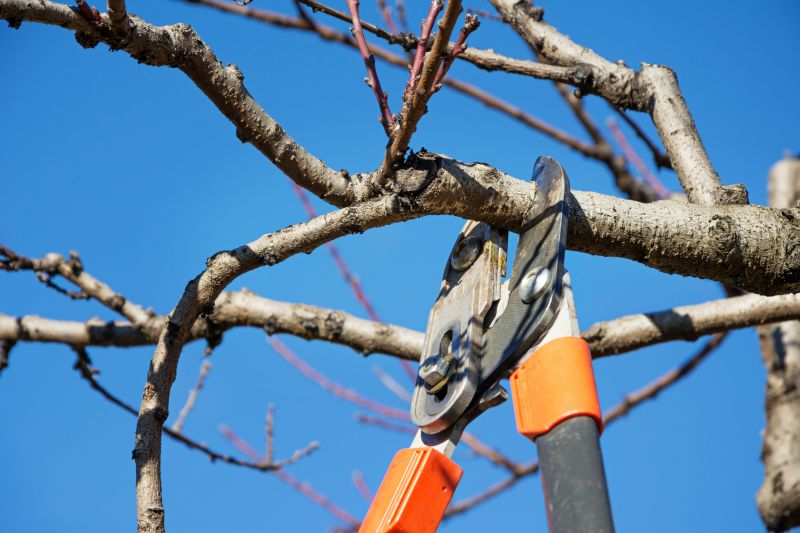
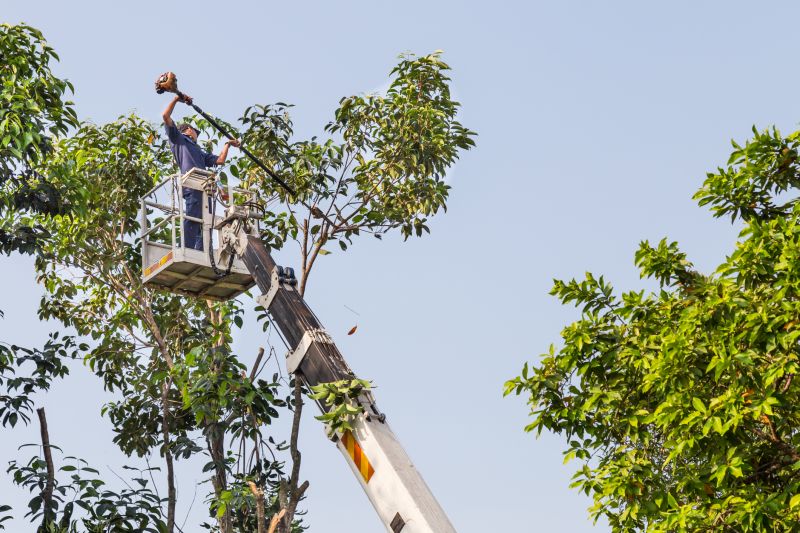
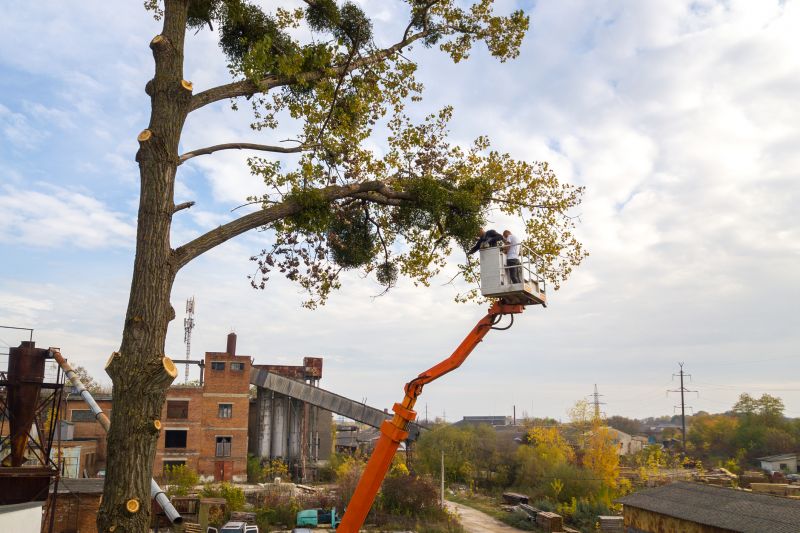
Tree lopping services involve the careful removal of specific branches or sections of a tree to improve its health, safety, or appearance. This process can help manage overgrown limbs that may pose risks to nearby structures, power lines, or pedestrians. By selectively trimming parts of a tree, professionals can prevent potential hazards caused by falling branches or unstable growth, ensuring the safety of property and inhabitants.
This service addresses several common problems, including obstructed views, damaged or diseased branches, and overgrowth that interferes with utility lines or structures. Tree lopping can also promote healthier growth by removing dead, diseased, or weak limbs that might otherwise compromise the tree’s stability. Regular lopping can contribute to a balanced, aesthetically pleasing landscape while reducing the risk of unexpected branch failure.
Properties that frequently utilize tree lopping services include residential homes, commercial properties, and public parks. In suburban neighborhoods, homeowners often seek lopping to maintain their yards and prevent damage from falling limbs. Commercial properties and businesses use these services to keep their premises safe and visually appealing, especially around parking lots and walkways. Public parks and community spaces also rely on tree lopping to manage large trees and ensure public safety.
Professional tree lopping providers are equipped to handle a variety of tree types and sizes, tailoring their approach to suit the specific needs of each property. Whether dealing with mature shade trees, ornamental varieties, or urban street trees, local pros can assess the situation and perform precise trimming. This service not only helps maintain the health and safety of trees but also enhances the overall aesthetics and functionality of outdoor spaces.
Discover typical Tree Lopping Service project ranges for New York, NY.
Cost Range - Tree lopping services typically cost between $200 and $1,000 depending on the size and complexity of the job. Smaller tree removals may fall closer to the lower end, while larger, more established trees can reach higher prices.
Factors Affecting Price - The cost varies based on tree height, location, and accessibility. For example, trees located near structures or power lines may incur additional charges, pushing the price toward the upper range.
Average Expenses - On average, homeowners in local areas might expect to pay around $300 to $600 for standard tree lopping services. More extensive removals or difficult access can increase costs beyond this range.
Additional Costs - Some providers may charge extra for debris removal or stump grinding, which can add $50 to $300 to the overall cost depending on the scope of work required.
* These costs can vary by contractor and location and can be higher than displayed. Submit the form to get a more accurate quote for your actual needs.
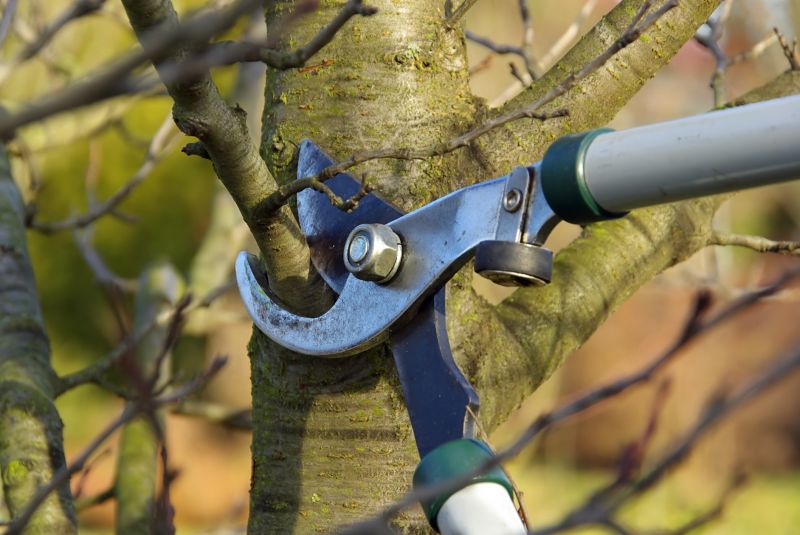
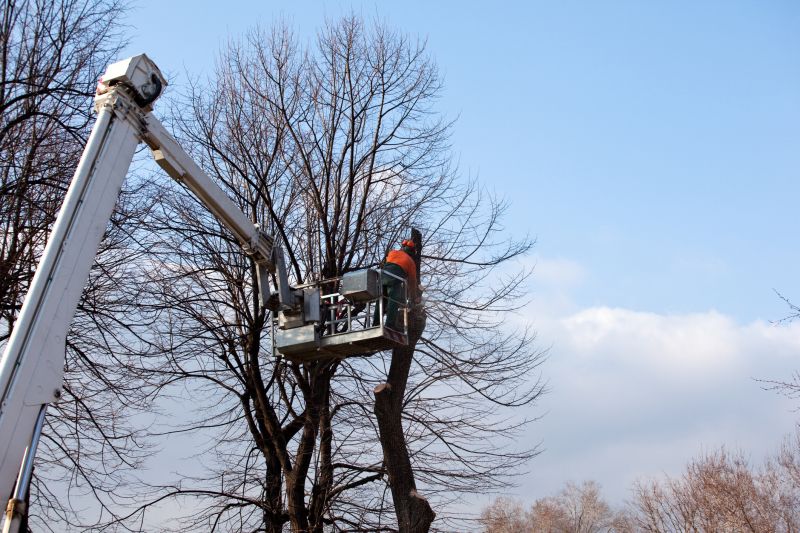
When selecting a tree lopping service, it’s important to consider the experience of the local contractors. Established professionals often have a history of handling a variety of tree types and situations, which can contribute to more efficient and effective results. Homeowners can explore options that highlight reputable references or portfolios, providing insight into the quality of work delivered. Clear communication about the scope of the project and written expectations can help ensure that both parties are aligned, reducing misunderstandings and fostering a smoother process.
Reputable local tree lopping providers typically emphasize transparency and professionalism. They often have a track record of satisfied clients and positive references within the community, which can serve as useful indicators of reliability. When reviewing options, homeowners should look for contractors who are open about their process and willing to discuss project details, ensuring that expectations are well-defined from the outset. This level of communication helps build trust and confidence in the chosen service provider.
The site introduces a variety of local options, enabling homeowners to compare different tree lopping service providers in their area. It’s advisable to consider factors such as the clarity of written expectations, experience, and the reputation of each contractor. While the site does not perform the work or endorse specific providers, it functions as a neutral resource to connect users with local professionals. By evaluating these aspects, homeowners can make more informed decisions when selecting a service provider suited to their needs.
Property owners in New York, NY use Tree Lopping Service services for practical projects around their homes and businesses. The sections below highlight everyday jobs and straightforward project options.
Tree lopping services are often needed when property owners in New York, NY notice overgrown or unstable limbs on their trees. These projects can arise after storms or strong winds, when branches become hazardous or start to interfere with power lines and structures. Additionally, homeowners may seek tree lopping to improve the appearance of their yard or to promote healthier growth by removing dead or diseased branches.
In urban settings like New York City, managing tree growth around homes, sidewalks, and parking areas is essential for safety and accessibility. Property owners might look for professional tree lopping to clear space, prevent potential damage, or maintain a tidy landscape. Local tree service providers can assist with these routine tasks, ensuring trees are safely and properly maintained.
Tree Pruning and Shaping - Professionals can trim and shape trees to enhance their appearance and health, ensuring proper growth and safety.
Emergency Tree Removal - Local service providers can assist with urgent tree removal in cases of storm damage or safety hazards.
Stump Grinding and Removal - Experts offer stump grinding services to eliminate unsightly stumps and prevent pest infestations.
Tree Health Assessments - Qualified contractors can evaluate tree health and recommend appropriate care or removal options.
Tree Removal - Professionals in tree removal can safely and efficiently remove trees that are dead, diseased, or pose safety hazards.
Stump Grinding - Stump grinding services help eliminate tree stumps to improve landscape appearance and prevent pest infestations.
Pruning and Trimming - Pruning services maintain tree health and shape by removing dead or overgrown branches.
Emergency Tree Services - Emergency tree services address storm-damaged or fallen trees to reduce property risks promptly.
Land Clearing - Land clearing involves removing trees and vegetation to prepare sites for construction or landscaping projects.
Tree Health Assessments - Tree health assessments identify issues affecting trees and recommend appropriate care or removal solutions.
What is tree lopping? Tree lopping involves the selective removal of branches or sections of a tree to improve its health, shape, or safety.
Why might a tree need to be lopped? Trees may be lopped to remove damaged or diseased branches, reduce risk of falling, or maintain proper clearance around property.
Are tree lopping services safe? Tree lopping should be performed by experienced professionals to ensure safety and proper technique.
How long does tree lopping typically take? The duration depends on the size and complexity of the tree, with most jobs completing within a few hours.
How can I find local tree lopping service providers? Contact local tree care specialists or service providers to discuss your needs and arrange an assessment.
Dive into Tree Lopping Service options in New York, NY. Customize with the explorer for your perfect view.